The Science Behind Biodegradable Materials
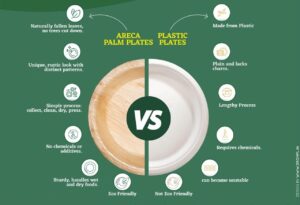
Biodegradable materials are substances that decompose naturally through the action of microorganisms like bacteria and fungi. Unlike plastics, which can take centuries to break down, these materials typically degrade within a few months to years, depending on the environment.
The result? Safe byproducts like water, carbon dioxide, and biomass that nourish the soil rather than pollute it.
Environmental Impact of Non-Biodegradable Waste
Non-biodegradable waste, such as plastics and synthetic fibers, is one of the leading causes of environmental degradation. Here’s why biodegradable materials matter:
- Landfills Overload: Overfilled landfills emit methane, a potent greenhouse gas. Biodegradable waste, when composted, prevents this issue.
- Marine Pollution: Plastics in the ocean harm marine life. Biodegradable alternatives degrade before reaching water bodies.
- Soil Health: Biodegradable materials enrich soil instead of contaminating it.
Biodegradable Products: A Step Forward
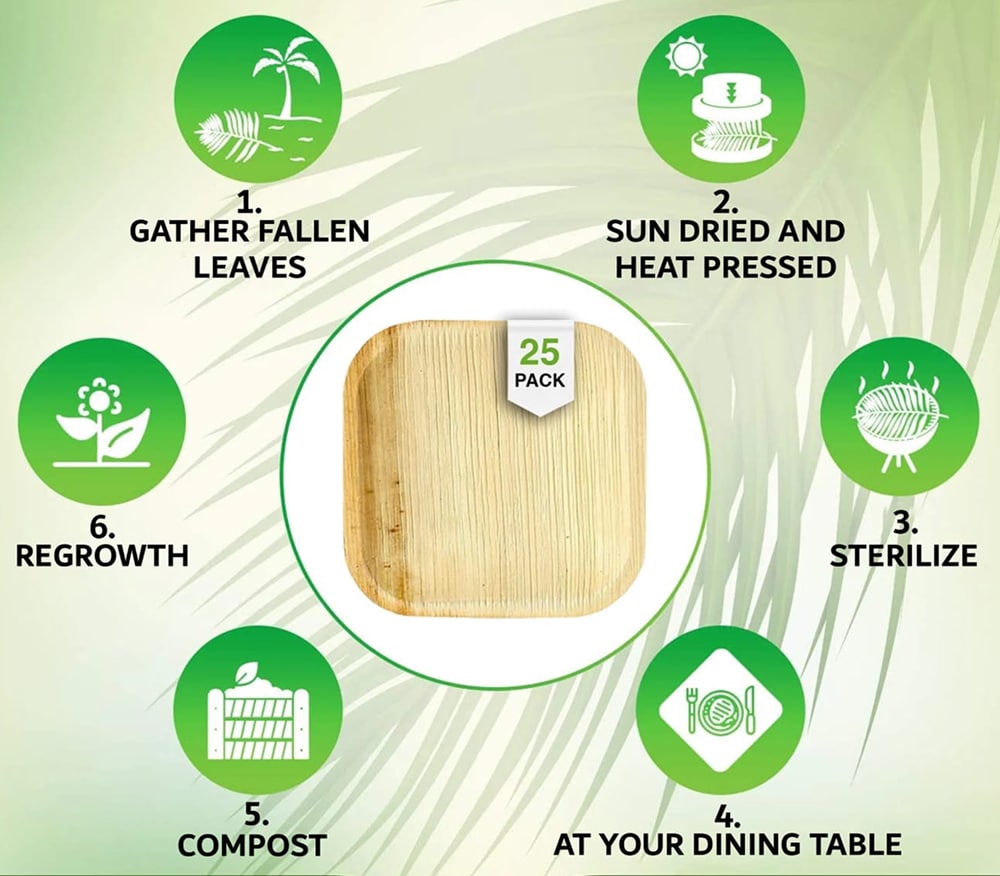
From grocery bags to disposable cutlery, biodegradable products are becoming mainstream. Innovations like cornstarch-based plastics and bamboo toothbrushes provide sustainable alternatives to everyday items.
Did you know? A biodegradable plastic bag can decompose in as little as three to six months under the right conditions, compared to hundreds of years for regular plastic.
Your Role in Promoting Biodegradability
- Choose biodegradable packaging when shopping.
- Start composting kitchen waste to reduce your carbon footprint.
- Advocate for sustainable policies in your community.
The shift toward biodegradable materials is not just a trend; it’s a necessity. Together, we can reduce waste, protect ecosystems, and create a sustainable future.