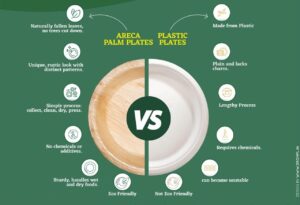
What Makes Materials Biodegradable?
Biodegradable materials are designed to break down naturally, thanks to microorganisms in the environment. Unlike traditional waste, which can persist for centuries, biodegradable materials decompose quickly into non-toxic components.
Key Characteristics:
- Made from natural resources like plants or animals.
- Non-toxic byproducts that benefit the ecosystem.
- Short decomposition time, often within months.
Why We Need Biodegradable Materials
1. Combat Plastic Pollution:
Plastics take hundreds of years to degrade, choking our ecosystems. Biodegradable materials offer a safer alternative.
2. Reduce Greenhouse Gas Emissions:
Organic waste in landfills releases methane. Proper disposal of biodegradable materials through composting prevents this.
3. Enrich Soil Health:
When biodegradable products decompose, they return nutrients to the soil, promoting fertility.
Everyday Biodegradable Alternatives
- Shopping Bags: Ditch plastic for biodegradable bags made from jute or cornstarch.
- Cutlery and Plates: Opt for bamboo or palm leaf products for parties.
- Clothing: Choose natural fibers like cotton or hemp over synthetic fabrics.
Challenges to Adoption
Despite their promise, biodegradable materials face hurdles:
- Cost: They’re often more expensive than traditional plastics.
- Awareness: Many consumers are unaware of these options.
- Infrastructure: Proper composting facilities are limited in many areas.
The Path Forward
Governments, businesses, and individuals must collaborate to embrace biodegradable solutions. By investing in research, raising awareness, and improving waste management systems, we can pave the way for a cleaner future.
As stewards of this planet, the responsibility lies with us. Every choice we make, from the bags we use to the packaging we discard, shapes the environment for generations to come. Let’s champion the biodegradable revolution and leave a lasting legacy of sustainability.