What Are Biodegradable Materials?
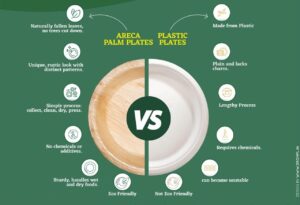
Biodegradable materials are substances that can naturally break down into non-toxic components, such as water, carbon dioxide, and biomass, with the help of microorganisms like bacteria and fungi. Unlike non-biodegradable materials (think plastics and metals), these substances decompose quickly and safely, leaving behind no harmful residues.
Examples of Biodegradable Materials:
- Natural Fibers: Cotton, wool, and jute
- Organic Waste: Food scraps, leaves, and wood
- Bioplastics: Made from natural materials like cornstarch
- Paper Products: Cardboard, newspaper, and tissue
Why Are Biodegradable Materials Important?
Safer for Wildlife: As biodegradable materials break down naturally, they pose less of a threat to animals and marine life compared to plastics, which are often ingested mistakenly.
Reduction of Pollution: Traditional plastics and synthetic materials can take hundreds of years to decompose, often polluting landfills, rivers, and oceans. Biodegradable alternatives minimize this impact.
Conservation of Resources: Biodegradable products often come from renewable resources, reducing our dependence on finite resources like petroleum.
Promoting a Circular Economy: These materials integrate seamlessly into composting and waste management systems, creating valuable compost instead of waste.